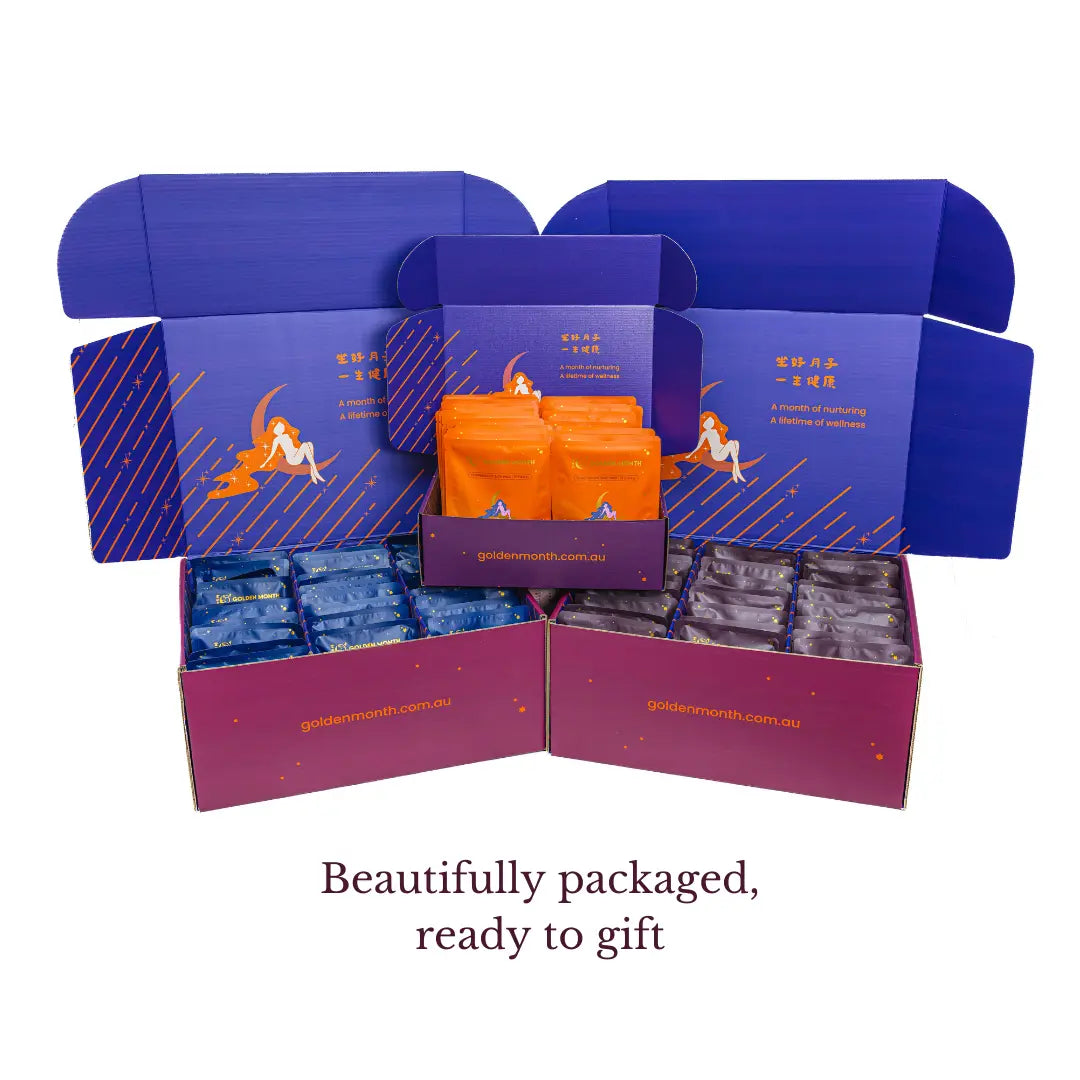
Confinement Soup Packages

SOUPS

SOUPS

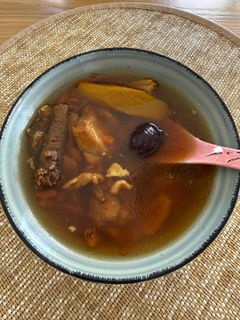
Daily herbal soups for the first month after birth.

Shop now
Confinement Lactation Tea Packages

TEAS

TEAS

Gental herbal teas to support lactation and daily balance.

Shop now
Confinement Bath Packages

BATHS

BATHS

Ginger herbal bath blends for warmth and relaxation.

Shop now
Confinement Bundles

BUNDLES

BUNDLES

Complete all-in-one confinement care.

Shop now
General Wellness Soups

General Wellness

General Wellness

Everyday herbal blends for ongoing wellbeing.

Shop now
Dried fruits and nuts on a plate with a package of Golden Harvest tea on a brown surface. Assorted food items on a plate with a package of tea on a brown surface

3 Stages of Recovery

The traditional framework trusted for postpartum recovery

  • Stage 1: Release & Repair (清,催)

    The first days after birth are about gentle recovery. This stage focuses on clearing lochia, supporting uterine repair and encouraging milk flow. Warmth and nourishment help your body begin its path back to balance.

  • Stage 2: Regulate & Rebalance (调)

    As your body stabilises, the focus shifts to harmonising digestion and improving nutrient absorption. This stage helps replenish Qi and blood while restoring steady energy through balanced nourishment.

    Dried fruits and nuts on a plate with a package of Golden Harvest tea on a brown surface.
  • Stage 3: Rebuild & Revitalise (补,养)

    The final stage consolidates vitality for the long term. By nourishing the liver and kidneys, improving circulation and building reserves, this phase supports deeper renewal and lasting recovery.

    Assorted food items on a plate with a package of tea on a brown surface

Shop Soups

Book titled 'The Ultimate Guide to Confinement' on a beige surface with text about post-birth nutrition.

What is Confinement?

In many Asian cultures, the month after childbirth is known as “confinement” (zuò yuè zi, “sitting the month”), a sacred window of rest, warmth, and deeply nourishing food to support recovery and renewal.

Childbirth leaves the body open, depleted, and vulnerable, yet uniquely receptive to restoration. The way a mother is cared for in the first 30 days is believed to influence her wellbeing for years to come.

Download Free eGuide

“A beautifully considered approach to postpartum recovery that puts the mother, not just the baby, at the centre.”

The Golden Month Promise

Confinement care, prepared with traditional excellence.

Rooted in Chinese Tradition

Our blends follow principles passed down through generations of Chinese postpartum care, refined with care for mothers today. Every formula honours the traditional understanding of warmth, balance, and gradual restoration across the three stages of recovery.

100% Natural, Premium Herbs

We use only top-grade herbs chosen for purity and potency. No preservatives, no additives, no fillers, just clean ingredients in their natural form. Every herb is sourced and packed to meet Australia’s strict import standards, so you can trust the quality and safety of every blend.

Expertly Balanced Blends

Traditional formulas rely on proportion, not just ingredients. When ratios are right, the blend works in harmony. Our packs are balanced with care, so you can prepare them with confidence.

Simple Preparation

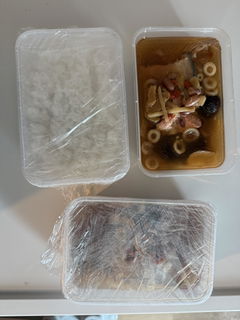
Our herbs are pre-measured, portioned into individual packs, and sequenced by day to follow the traditional stages of postpartum recovery. Each pack includes clear instructions and traditional meat pairings, so you save time while preparing fresh soups and teas as they were intended.

Care Beyond The Pack

Every order is handled with extra care, because your golden month matters. If your due date changes, we will help adjust your timing. If you have questions along the way, we are here to support you. And if you are not satisfied, our 100% satisfaction guarantee stands behind every purchase.

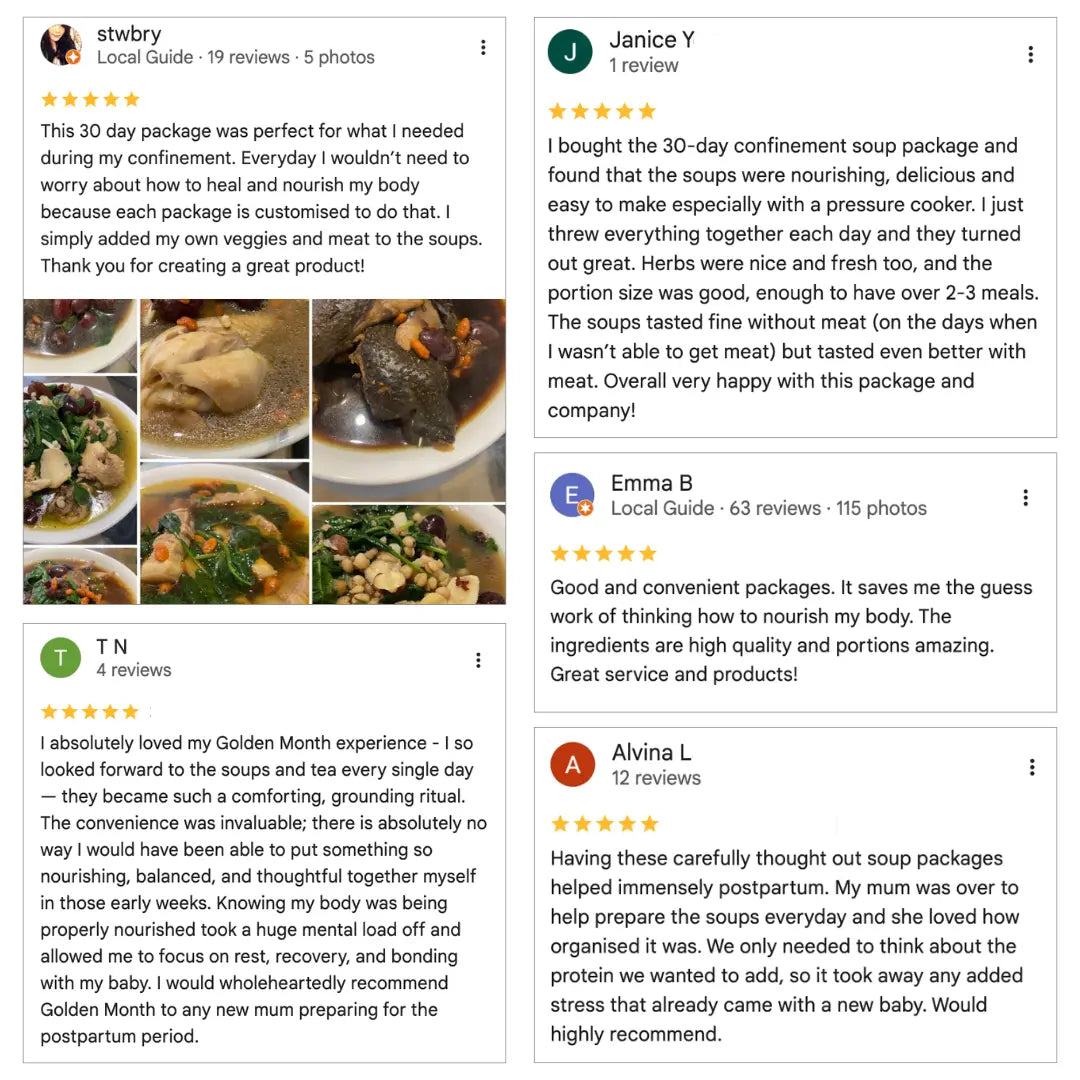
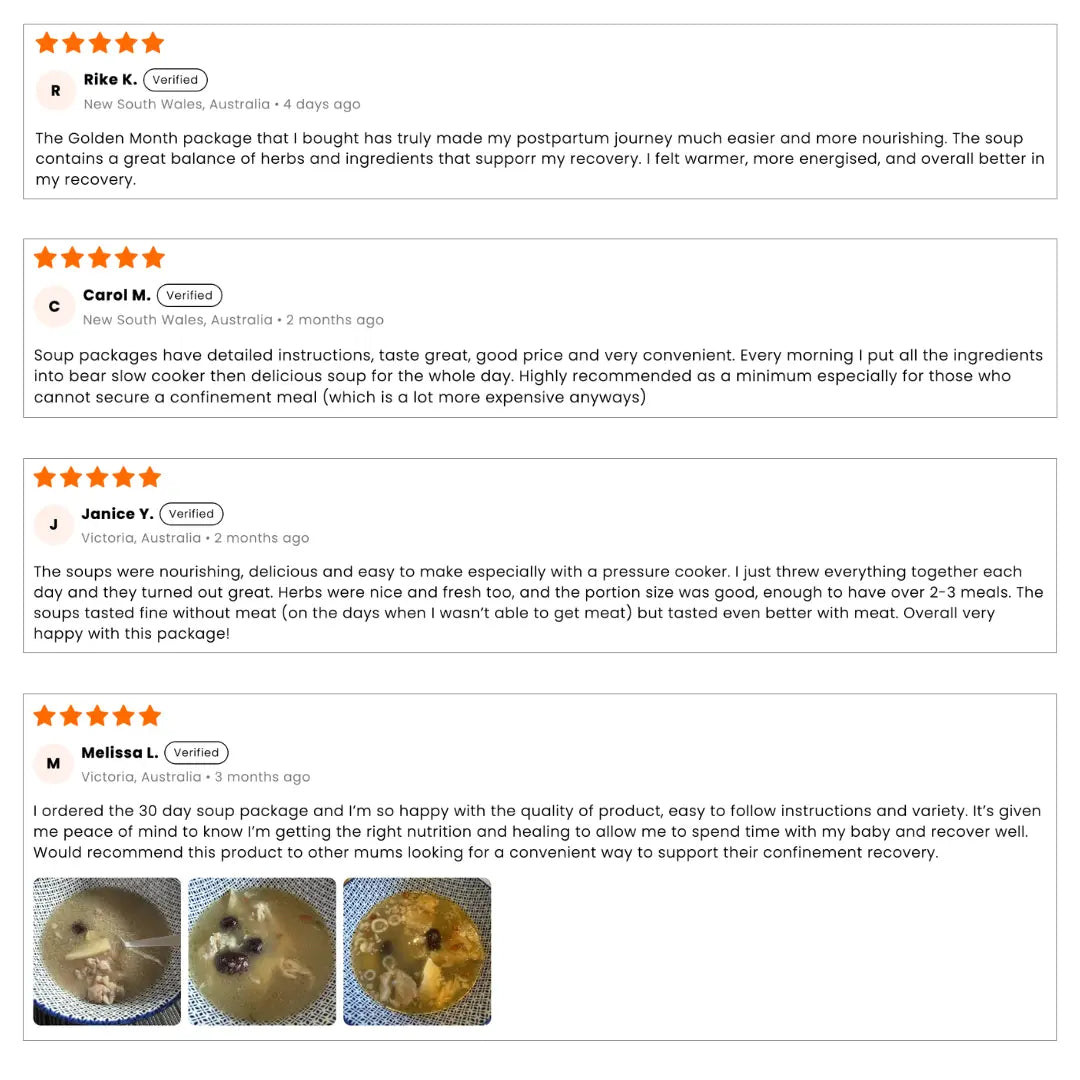
Confinement Stories

Follow @mygoldenmonth

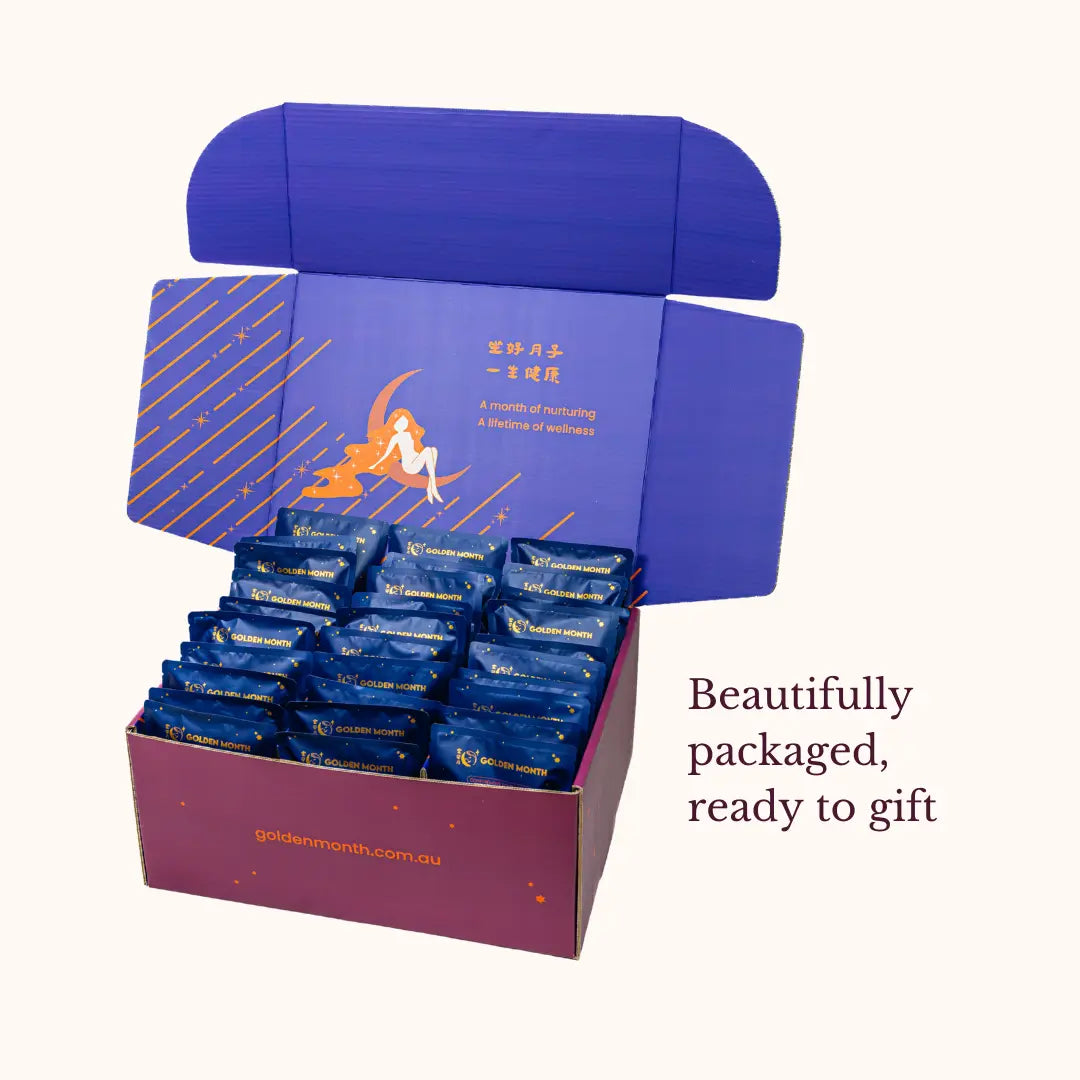
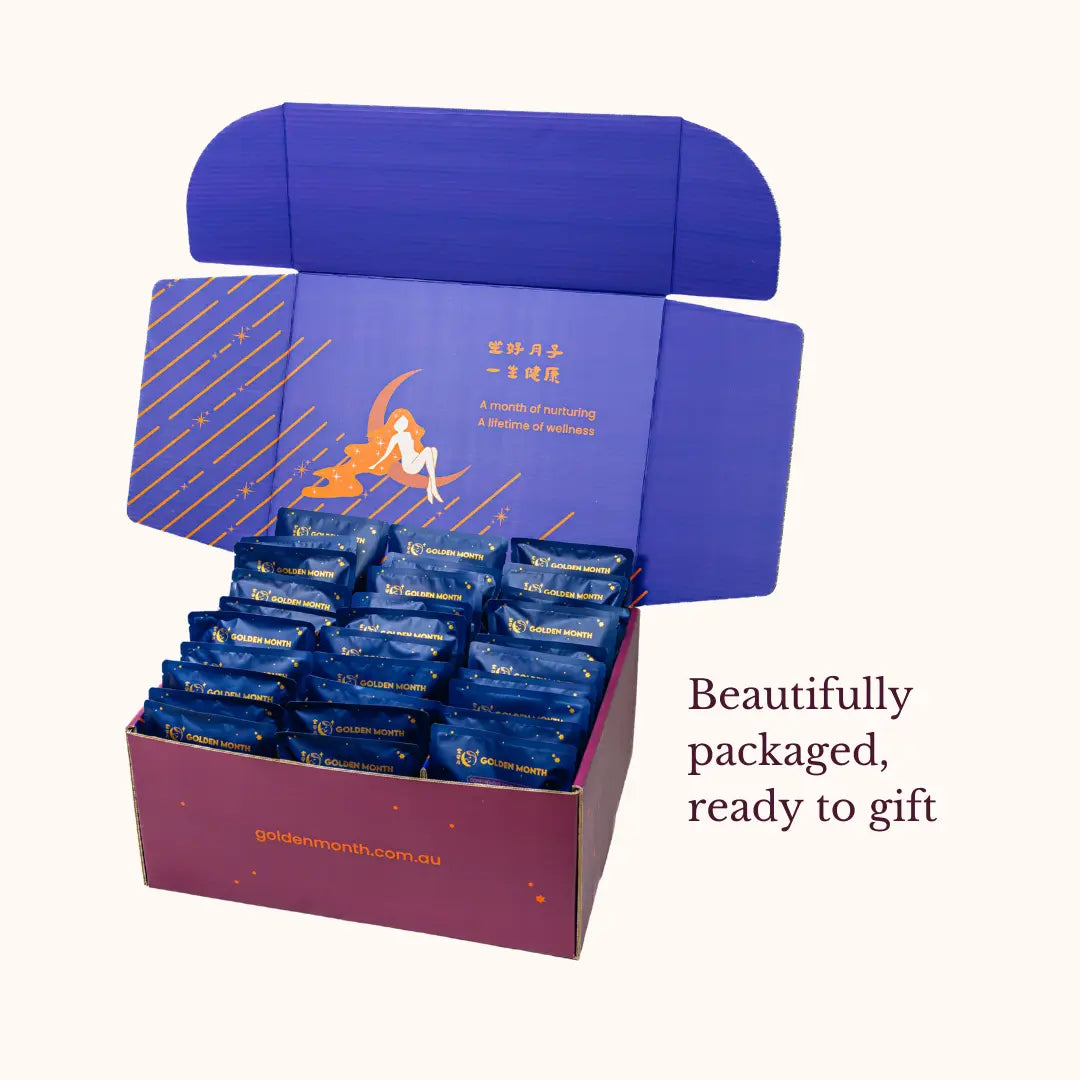
Golden Month Soup Packet

Why Mums Choose Golden Month

A complete approach to postpartum recovery, formulated for the first 30 days after birth

Easy instructions with meat pairings

Premium, 100% natural ingredients

Formulated locally for Australian climate

3-stage recovery framework

Free delivery Australia-wide

Golden Month

Other brands

Ancient Wisdom, Modern Care

Confinement is a centuries-old Chinese practice guiding mothers through a precious time of healing and renewal after birth. At its heart are five simple pillars: nourishing foods and herbal soups, deep rest, keeping the body warm, emotional care and balance.

Learn More

Experts in Traditional Confinement Nourishment

At Golden Month, we are dedicated to one thing only — confinement care. We don’t try to be everything for everyone. We specialise in supporting new mums during the critical period after birth, and that is why we are masters in it.

We collaborate with experienced herbalists and postpartum care practitioners, carefully selecting premium Chinese herbs used for generations during the postnatal period. Every blend is thoughtfully crafted with modern convenience in mind. Fresh, pre-measured and simple to prepare — so you can receive care even on the busiest days with a newborn.

We deliver nationwide, ensuring that mums in Sydney, Melbourne, Brisbane, Perth, Adelaide, Canberra and Tasmania have access to confinement herbal soup packages, red date tea confinement essentials and daily confinement baths that feel grounding and familiar.

Bringing tradition home. Making recovery feel supported every day.

Your Confinement Questions Answered

What is Chinese confinement after birth?

Chinese confinement, or zuò yuè zi (坐月子), also called postpartum confinement, is a traditional 30-day recovery period after childbirth. It focuses on warmth, rest and nourishing foods such as confinement soup and Chinese postpartum tea to help the body recover during the fourth trimester.

The belief behind Chinese confinement after birth is that childbirth leaves the body “open” and depleted. Warmth, gentle care and nourishment help restore strength and balance.

Core principles of Chinese confinement care:

  • Rebalance yin and yang: Labour and blood loss create “cold” in the body. Warm foods, clothing and environment help restore harmony.
  • Protect the “open” body: Joints, pores and the womb are more vulnerable to wind and cold. Keeping warm may support long-term comfort.
  • Food as comfort and nourishment: Warm herbal soup for confinement, porridges, collagen and hydration help mothers rebuild strength while breastfeeding.
  • Community care: Family helps with cooking and household tasks so mum can rest and bond with baby.

Today, many mums in Australia adapt these Chinese postpartum traditions to their lifestyle. You don’t need strict rules — even simple rituals like confinement herbal soup, red date longan tea confinement, or a warm confinement bath can help you feel supported while recovering at home.

How long is Chinese confinement?

Traditional Chinese confinement after birth usually lasts 30 days, which is why it is often called “sitting the month.” Many mums follow this timeline with 30-day confinement soup and Chinese postpartum tea routines to support daily nourishment.

Today, mothers adapt confinement to what works best for their recovery:

  • 10 days — a gentle start to the first stage of healing
  • 20 days — a flexible option that fits around support at home
  • 30 days — the full confinement package, rooted in tradition

Some families also extend to 40–44 days for additional rest and support, especially after a C-section.

There is no one “right” length. Confinement can be personalised to your health, lifestyle and the help you have at home. Even a shorter routine with confinement herbal soup, red date longan tea or a warm confinement bath can help you feel cared for during the post natal period.

What are the phases of confinement postpartum recovery?

In traditional Chinese postpartum care, confinement recovery is often understood as a three-stage journey across the first 30 days after birth. Each stage focuses on different needs as the body heals and regains strength.

Stage 1: Release & Repair (Days 1–10)

  • Uterus healing and reducing lochia
  • Gentle “re-warming” of the body
  • Supporting milk flow and hydration

Often includes Chinese confinement soups with light, warming herbs and easy-to-digest foods.

Stage 2: Regulate & Rebalance (Days 11–20)

  • Strengthening the spleen and stomach
  • Improving digestion and nutrient absorption
  • Building energy for breastfeeding and daily care

Many mums enjoy confinement herbal soup and Chinese postpartum tea during this period.

Stage 3: Rebuild & Revitalise (Days 21–30)

  • Nourishing the liver and kidneys
  • Boosting circulation
  • Supporting long-term vitality and resilience

Families often include richer postpartum Chinese soups and grounding self-care rituals like confinement baths.

These stages can be adapted to different lifestyles, birth experiences and the support each mother has at home — especially here in Australia. Even a simple routine designed around warmth, nourishment and rest can help you feel more supported in this critical period after pregnancy.

What to eat during Chinese confinement?

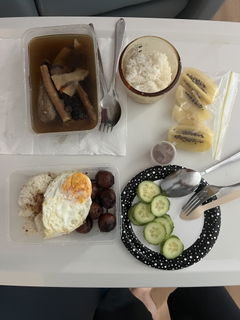
During Chinese confinement after birth, food is chosen to provide warmth, nourishment and gentle digestion. From a traditional Chinese perspective, confinement soup herbs and Chinese postpartum soup are key to supporting recovery and energy after childbirth. Many mothers also enjoy Chinese postpartum tea such as red date longan tea confinement blends to stay hydrated and warm.

Here are commonly eaten foods during postpartum confinement:

  • Warm confinement herbal soup and broths
  • Protein-rich meats like chicken, pork and fish
  • Iron-rich ingredients such as liver and leafy greens
  • Carbohydrates like rice, oats and root vegetables
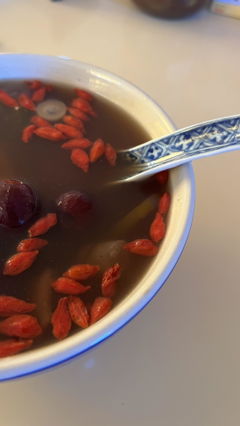
  • Gentle herbs like red dates, goji berries, astragalus and codonopsis

Foods often avoided are considered “cold” or harder to digest, such as raw salads, iced drinks and processed foods. Warmer meals may help support nourishment and comfort during recovery.

For a detailed list of Chinese confinement meals and traditional herbs, read our free Ultimate Guide to Confinement.

What are the benefits of confinement herbal soup?

In Traditional Chinese Medicine, confinement herbal soup is more than comfort food. It is a warm, nourishing way to support the body after birth. Chinese confinement soups are slow-simmered with carefully selected herbs that are traditionally used to provide hydration, warmth and gentle nourishment.

After childbirth, a mother’s energy and strength are taxed. Chinese postpartum soup is enjoyed to help the body feel replenished during recovery.

Each stage of postpartum recovery brings different needs. That is why herbal soup for confinement is often prepared in stages. The herbs are chosen to match the natural progression of healing — from gentle support in the early days to stronger nourishment later on.

Many families consider daily postpartum Chinese soup an important part of confinement care, especially when paired with warm drinks and easy-to-digest meals.

Why do mums drink red date longan tea after birth?

In Chinese confinement care, red date longan tea confinement blends are enjoyed daily for warmth, hydration and gentle comfort. Chinese red date tea postpartum is traditionally made with jujube (red dates) and longan, herbs used to support digestion, replenish fluids and provide soothing relaxation after birth.

Many breastfeeding mums also enjoy postpartum Chinese tea to support hydration, which plays an important role during that time. The warm nature of this confinement herbal tea fits the traditional belief that keeping the body warm helps recovery.

Unlike confinement soup, which may be taken once or twice a day, red dates longan tea confinement drinks can be sipped throughout the day to stay warm, nourished and cared for during recovery.

Does red date tea increase milk supply?

In traditional Chinese confinement care, red dates tea for confinement is commonly enjoyed by breastfeeding mums. It is believed that red dates help to “build blood,” and in TCM theory, breast milk is formed from blood and body fluids. Because of this connection, red date longan tea confinement blends are traditionally used to support healthy milk flow after birth.

Chinese postpartum tea also helps hydration, which is important for breastfeeding mothers day to day. Many mums in Australia include confinement herbal tea as part of their regular routine for warmth, comfort and nourishment.

If you have questions about your milk supply, it’s always best to speak with a qualified healthcare professional.

How to make red date tea for confinement?

Red dates tea for confinement is simple to prepare at home. You only need dried red dates (jujube), longan and water. Many mums also add goji berries or ginger for extra warmth and flavour.

You can make Chinese red date tea postpartum using:

  • Stovetop: Simmer for 30–40 minutes for a rich, warming confinement herbal tea
  • Pressure cooker: Cook for around 10 minutes for a quicker brew
  • Thermal flask: Pour boiling water over the herbs and steep for 3–4 hours

Drink warm throughout the day to stay hydrated and comfortable during postnatal confinement.

For an easy daily routine, explore our confinement red date tea package — pre-measured and ready to steep.

How to use confinement herbal bath?

A confinement herbal bath is an easy daily ritual in Chinese postpartum care. It is traditionally used to support warmth, relaxation and comfort after birth.

To prepare a herbal confinement bath at home, simply:

  • Place one sachet into a basin, bucket or bathtub
  • Add hot water and let it steep for 3 minutes
  • When comfortably warm, begin your bath or cleanse

You can enjoy confinement baths in different ways:

  • Full body bath — sit back and relax in the herbal water
  • Shower cleanse — pour the herbal water over your body
  • Foot soak — warm the body from the ground up
  • Warm compress — wrap the sachet in a towel and apply gently

With the Golden Month bath pack, no boiling is required. Just steep, soak and enjoy a moment of warmth and care during postnatal confinement.